Why Smaller Groups Make Traveling Japan Even More Magical

Written by Nicole Lindberg
1000MTG Affiliated Travel Advisor
Japan has long been a dream destination for many travelers, but it can also feel overwhelming to plan. Between the language barrier, intricate transportation system, and the sheer number of places to see, it is easy to wonder how to experience Japan without feeling rushed or lost.
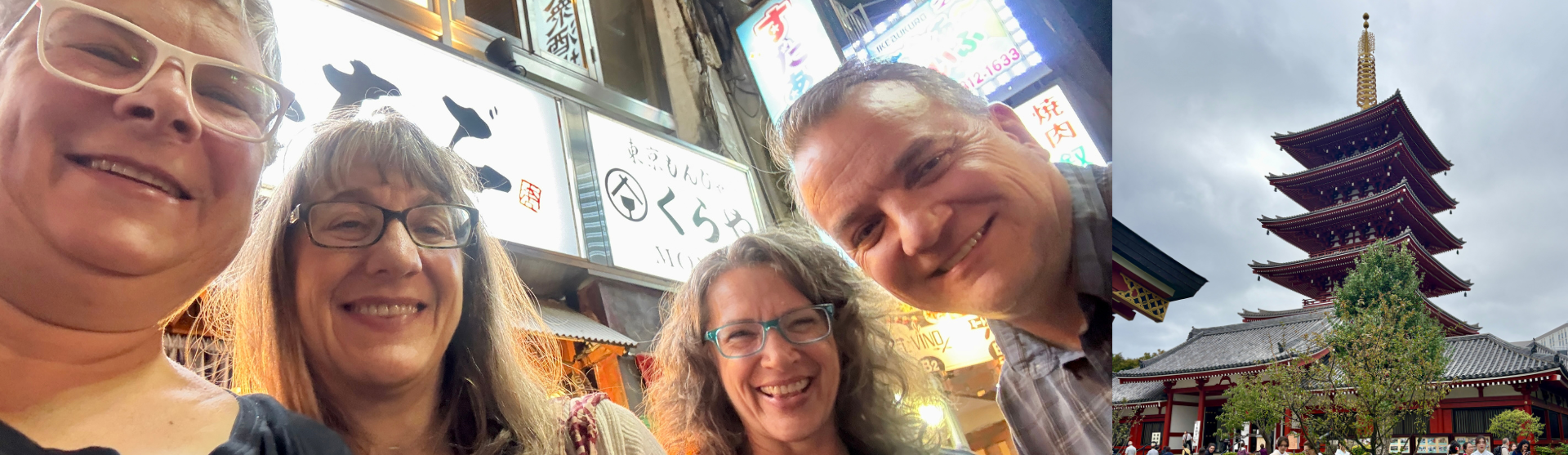
On a recent journey, I was reminded that some of the most meaningful travel happens on a smaller scale. What was originally planned as a larger group experience became a trip shared by just four people, and that intimacy completely changed how we experienced the country.
The Magic of Traveling Small
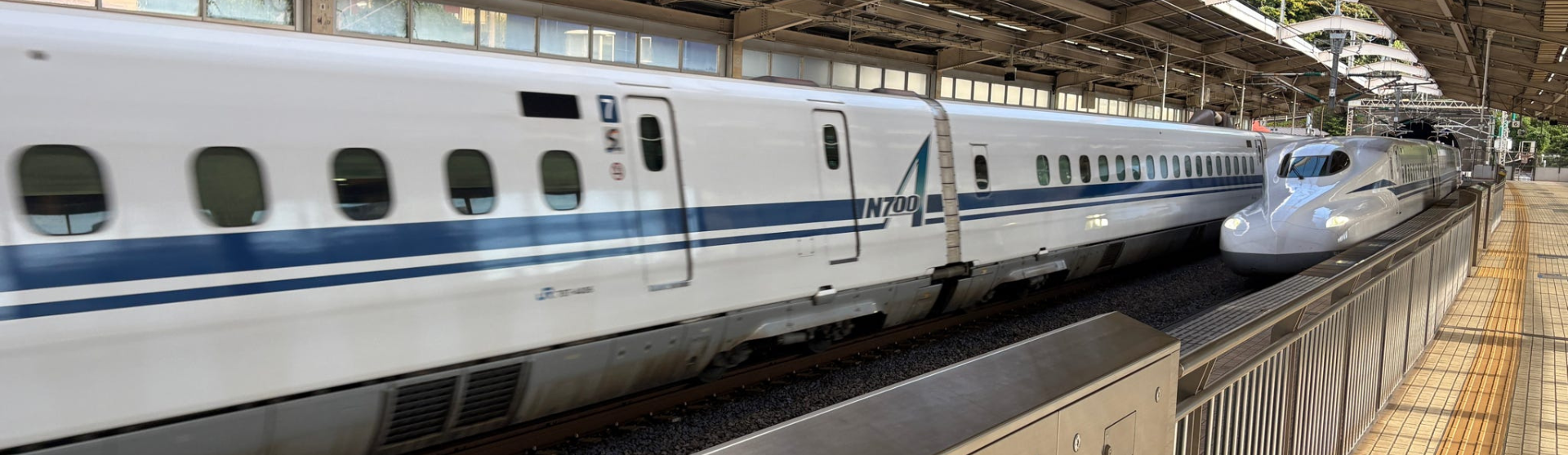
With a small group, Japan opens up in a different way. We relied almost entirely on the country’s exceptional public transportation system, navigating Tokyo’s subways, riding the bullet train between cities, and exploring neighborhoods on foot. The only time we used a private vehicle was for a day trip to Mt. Fuji and an overnight stay in a traditional onsen town.
That flexibility created space for spontaneity. We chose tiny local restaurants on a whim, lingered over drinks in cozy bars with just a few seats, and wandered through neighborhoods late at night simply because they felt inviting. More than once, we were the only non-Japanese guests in a restaurant. With a few smiles, some pointing at menus, and a spirit of curiosity, we discovered dishes and flavors we never would have found in more tourist-focused settings.
Structure Where It Matters, Freedom Where It Counts
Over 11 days, we explored Tokyo, Kyoto, and Hiroshima, with memorable day trips to Nara, Osaka, and Miyajima Island. In each major city, we spent time with a private local guide who helped bring Japan’s history, culture, and customs to life. Having that support made navigating the country feel approachable and stress-free.
Just as important, we built in free time. Afternoons and evenings were intentionally open, allowing us to explore at our own pace. Guided touring gave us confidence and context, while unstructured time allowed us to follow our interests. Some nights meant late shopping at Don Quijote, wandering through the neon streets of Electric Town, browsing a Godzilla store, or enjoying a playful ninja-themed dinner. Other evenings were as simple as walking until we found a restaurant that felt right.
A Tale of Two Kaiseki Experiences
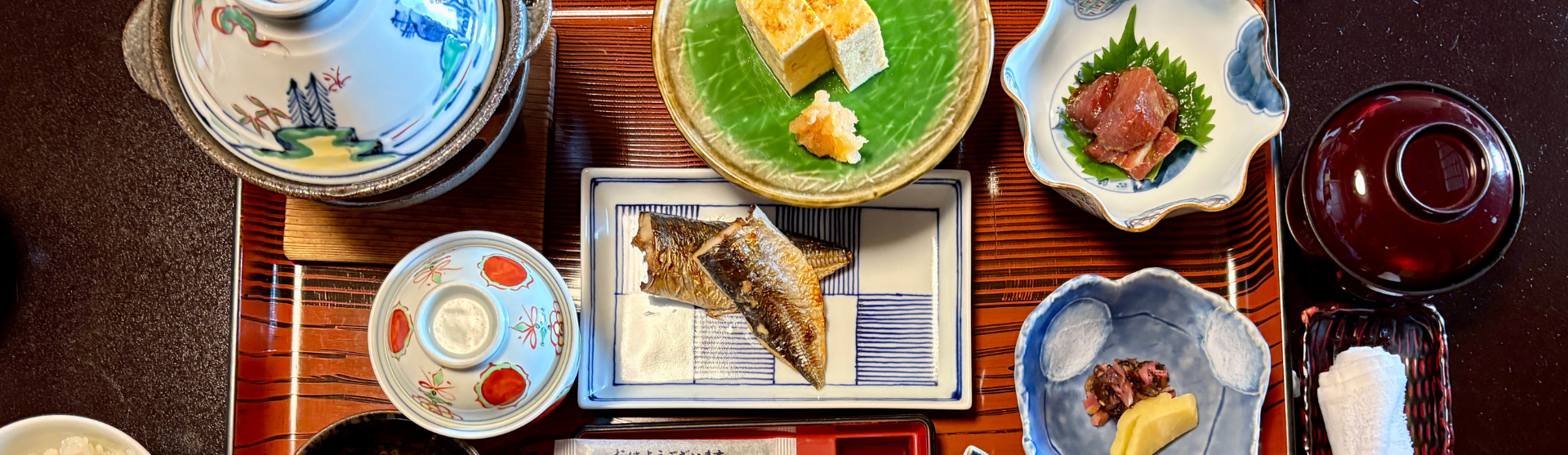
One of the most memorable parts of the trip was our introduction to kaiseki, Japan’s traditional multi-course dining experience. During an overnight stay at a ryokan near Mt. Fuji, we enjoyed a beautifully presented seasonal meal highlighting local ingredients and artistry. Sleeping on tatami mats and visiting the bathhouse completed the experience and offered a glimpse into the traditional rhythm of a Japanese inn.
Earlier in Kyoto, we had also reserved dinner at Mokubei, a Michelin-starred restaurant known for its modern interpretation of kaiseki. Experiencing both meals became a highlight of the journey. The contrast between the deeply traditional ryokan dinner and the contemporary, artistic approach in Kyoto was fascinating. At Mokubei, each place setting included a handwritten poem, and at the end of the meal the chef personally came out to greet us as the staff saw us off to our taxi. It was an unforgettable example of Japanese hospitality and attention to detail.
What Your Japan Trip Could Look Like
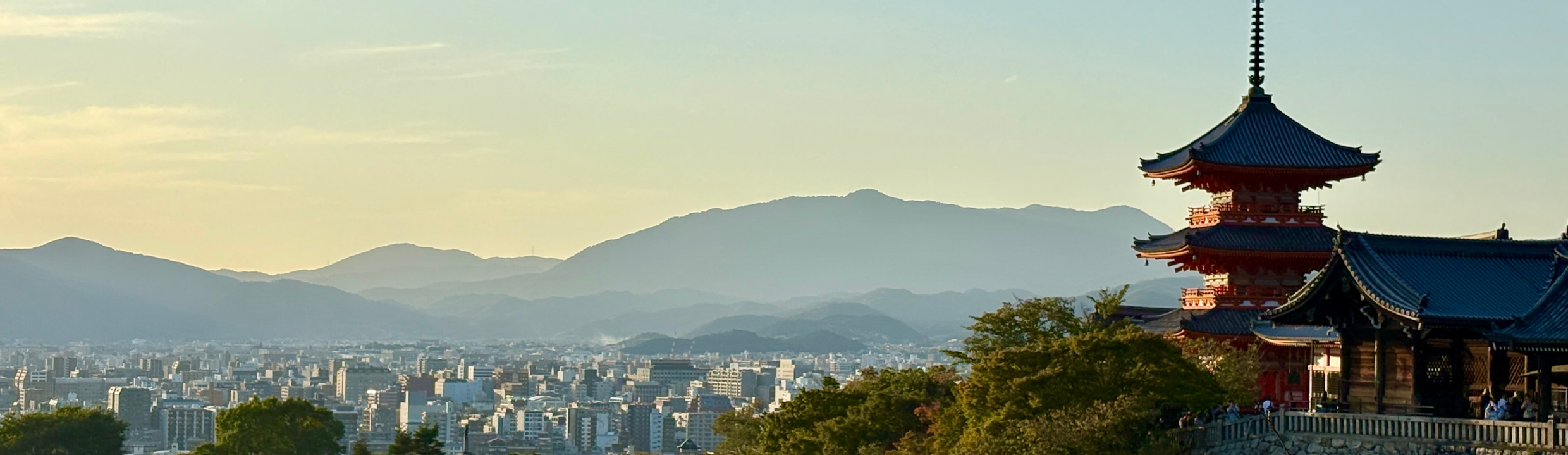
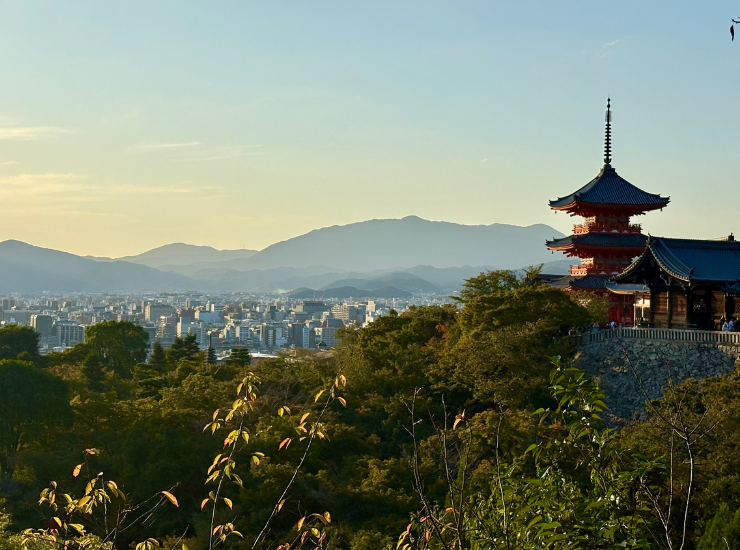
A thoughtfully planned Japan trip balances iconic highlights with moments that feel personal and unplanned. Your days might include riding the bullet train between cities, wandering through peaceful temple grounds in Kyoto, or visiting the torii gates of a quiet shrine just outside the city center.
You could spend mornings with a local guide learning how to navigate markets, etiquette, and public transport, then enjoy afternoons exploring independently. That might mean shopping for souvenirs in Tokyo, discovering a tucked-away coffee shop, or strolling through residential neighborhoods where daily life unfolds.
Food would be a central part of the experience, from casual noodle shops and local bakeries to unforgettable meals at traditional inns or Michelin-recognized restaurants. You might soak in an onsen after a day of sightseeing, visit deer in Nara, reflect at Hiroshima’s Peace Memorial Park, or take in coastal views on Miyajima Island.
Most importantly, the trip would move at a comfortable pace. There is room to walk, wander, rest, and truly absorb what makes Japan so special, rather than rushing from one attraction to the next.
Why Japan Is Perfect for Small, Thoughtfully Planned Trips
Japan is uniquely suited to small group travel. With the right planning, travelers can feel supported and confident while still enjoying flexibility and discovery. Private guides for key cultural moments paired with time to explore independently create a journey that feels seamless, personal, and deeply rewarding.
We walked miles each day, navigated trains with ease, and created memories not just from famous sights, but from quiet neighborhood discoveries and shared meals. Some of the most powerful moments happened in the in-between spaces, moments that are often missed on larger, more rigid tours.
Traveling smaller does not mean missing out. In Japan, it often means experiencing more.
Supplier Acknowledgment:
This trip was created with the support of All Japan Tours, the destination management company that assisted with itinerary design and local logistics.
Contact Nicole today to create a Japan trip that feels personal and seamless.
Speak with a 1000 Mile Travel Vacations advisor to start planning today.